- Free Consultation: (888) 808-2179 Tap Here to Call Us
















Case Result: Domestic Violence Restraining Order Denied After Trial in Orange County — Court Then Awards Our Client $10,800 in Attorney’s Fees


By Matthew Barhoma, Esq. | Published: September 2, 2026
This article is attorney advertising, is general information about California law, and is not legal advice for your situation. Prior results do not guarantee a similar outcome; every case depends on its own facts.
Power Trial Lawyers, a restraining order defense firm in Orange County, recently secured a complete defense victory for a restraining order respondent at the Lamoreaux Justice Center in Orange County, California: after a contested trial, the court denied the domestic violence restraining order (DVRO) petition in full, and on September 2, 2026, the court granted our follow-on motion and ordered the petitioner to pay our client $10,800 in attorney’s fees. Our client walked out with no restraining order, no CLETS record, no firearm prohibition — and a fee award reimbursing a substantial portion of the cost of defending against the petition.
For anyone searching for a restraining order defense attorney in Orange County, this result illustrates what a fully litigated respondent-side defense looks like — and why the fee-shifting provision of Family Code § 6344 matters when a petition should never have been filed.
Case Snapshot
- Case type: Domestic Violence Restraining Order (DVRO) under the Domestic Violence Prevention Act, Family Code § 6200 et seq. — respondent-side defense
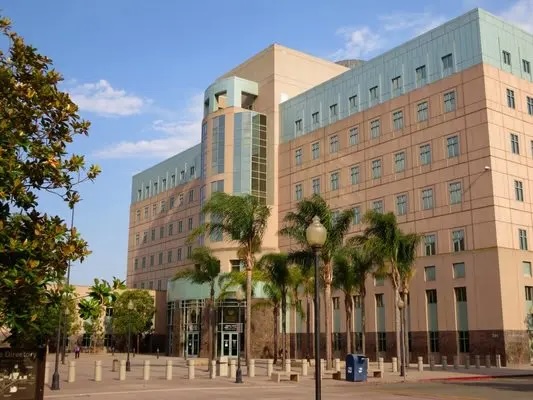
- Venue: Superior Court of California, County of Orange — Lamoreaux Justice Center, 341 The City Drive South, Orange, CA 92868 (Orange County’s primary family law courthouse, sometimes searched as “Lamoreaux courthouse” or “Lamoureaux Justice Center”)
- Client: Respondent (name withheld for privacy)
- Firm and counsel: Power Trial Lawyers — Matthew Barhoma, Esq.
- Result at trial: DVRO petition denied; no restraining order issued against our client
- Result on fees: Motion for attorney’s fees granted; $10,800 awarded to the respondent, payable by the petitioner (order entered September 2, 2026)
How the trial was won: cross-examination, exhibits, and the petitioner’s own evidence
A DVRO hearing is a trial. Witnesses testify under oath, exhibits are moved into evidence, and the petitioner bears the burden of proving past abuse — as defined by Family Code §§ 6203 and 6320 — by a preponderance of the evidence. Respondents who treat the hearing as a conversation with the judge lose winnable cases. We treated it as the trial it is.
At the contested hearing, Power Trial Lawyers:
- Cross-examined the petitioner’s case. Cross-examination is where inconsistent timelines, exaggerations, and motive surface. We tested the petitioner’s account point by point, on the record.
- Introduced the petitioner’s own exhibits into evidence and used them affirmatively. The documents a petitioner brings to court often tell a different story than the petition does. We moved her exhibits into evidence and built our client’s defense partly out of the petitioner’s own materials.
- Curated and confronted the petitioner’s testimony. Rather than simply denying the allegations, we structured the evidentiary record so that the testimony the court heard did not support the statutory findings a DVRO requires.
After hearing the evidence, the court denied the request for a restraining order. That denial is the whole ballgame for a respondent: no order after hearing means no CLETS registration, no mandatory firearm surrender, no five-year order shadowing background checks, employment, professional licensing, or custody proceedings.
The second win: $10,800 in attorney’s fees for a prevailing respondent under Family Code § 6344
Winning at trial was step one. Step two was making the petitioner bear the cost of the litigation she initiated.
Under Family Code § 6344(b), a court may award attorney’s fees and costs to a prevailing respondent in a DVRO proceeding — but only if the respondent establishes, by a preponderance of the evidence, that the petition was frivolous or solely intended to abuse, intimidate, or cause unnecessary delay, and the court further determines under Family Code § 270 that the paying party has, or is reasonably likely to have, the ability to pay. Since the statute was amended effective January 1, 2023, this is a demanding standard, and fee awards to respondents are the exception, not the rule. They must be earned with a properly built motion and a clean procedural record.
Power Trial Lawyers did exactly that. After the denial, we:
- Filed a noticed motion for attorney’s fees on behalf of our client, supported by the trial record;
- Effectuated personal service on the petitioner, ensuring the notice requirements for a fee award were beyond challenge; and
- Argued and won the motion — on September 2, 2026, the court ordered the petitioner to pay our client $10,800 in attorney’s fees.
The combined outcome — a DVRO denied after a full trial, plus a fee award running from the petitioner to the respondent — is the most complete result a restraining order respondent can obtain in California.
Why this matters if you’ve been served with a DVRO in Orange County
If you have been served with form DV-100 and a temporary restraining order, three things in this case result should shape your next 48 hours:
The hearing at Lamoreaux is your trial. Most Orange County DVRO cases are decided at a single evidentiary hearing at the Lamoreaux Justice Center, typically within weeks of service. What happens in that courtroom — cross-examination, exhibits, objections, testimony — determines whether you live under a restraining order for up to five years. Preparation has to compress accordingly.
A denied DVRO protects far more than your record. An order after hearing means entry into the CLETS database, firearm prohibition and surrender, and consequences that reach employment, professional licenses, immigration, and child custody. A denial means none of that attaches.
Fee-shifting can change the economics of defending yourself. Many respondents hesitate to hire trial counsel because of cost. Family Code § 6344(b) exists precisely for cases where the petition never should have been brought. Where the facts support it, an aggressive fee motion — properly noticed and personally served — can shift a meaningful portion of your defense costs back onto the petitioner, as it did here.
Zero contact until the hearing. Whatever the merits, do not contact the petitioner while a temporary order is in place — violation is a crime under Penal Code § 273.6 and becomes the petitioner’s best exhibit.
Frequently Asked Questions
Yes. A DVRO issues only if the petitioner proves abuse within the meaning of Family Code §§ 6203 and 6320 by a preponderance of the evidence at a contested hearing. When the evidence does not meet that standard — as the court found after trial in this Orange County case — the petition is denied and no restraining order issues.
Sometimes. Under Family Code § 6344(b), a prevailing respondent may be awarded attorney’s fees and costs if the respondent proves by a preponderance of the evidence that the petition was frivolous or solely intended to abuse, intimidate, or cause unnecessary delay, and the court finds the petitioner is able to pay under Family Code § 270. In this case, the court granted our motion and awarded our client $10,800.
Most Orange County domestic violence restraining order matters are heard at the Lamoreaux Justice Center, 341 The City Drive South, Orange, CA 92868 — the county’s primary family law courthouse. Arrive early: security screening and morning calendar lines are significant.
The hearing is an evidentiary trial. Both sides may testify, call witnesses, introduce exhibits, and cross-examine. The judge then grants or denies a restraining order that can last up to five years. In this case, Power Trial Lawyers cross-examined the petitioner, moved exhibits into evidence — including the petitioner’s own — and the court denied the order.
Deadlines are short and strictly enforced — the hearing is typically set within roughly three weeks of the temporary order, and your written response (form DV-120) and evidence must be ready before it. If you have been served, speak with a restraining order defense attorney immediately.
You are not required to have one, but a DVRO hearing is a trial with permanent-feeling consequences: CLETS entry, firearm prohibition, and a record visible in background checks. Respondents who arrive with counsel prepared to cross-examine and litigate the evidence are in a fundamentally different position than those who come to explain themselves.
Served with a restraining order in Orange County? Talk to trial counsel today.
Power Trial Lawyers defends restraining order respondents throughout Orange County — including matters at the Lamoreaux Justice Center — and across Southern California. Matthew Barhoma, Esq. (California State Bar No. 319339) leads a litigation-first practice built for exactly this kind of fight: trial, cross-examination, evidence, and, where the facts support it, a fee motion that makes the petitioner pay for the case she filed.
If you have been served with a DVRO request, the clock is already running. Call (888) 808-2179 for a case evaluation — usually available the same day. You can also Contact Us by submitting a contact inquiry.
Prior results do not guarantee, warrant, or predict a similar outcome. Every case is decided on its own facts, evidence, and law. The client’s identity has been withheld to protect privacy.